
Health Tips
Professional Guide for Elder Adults First Step Safe Lifting, Weight Management, and Nutrition
Proper Way of Lifting and Exercise Mechanics
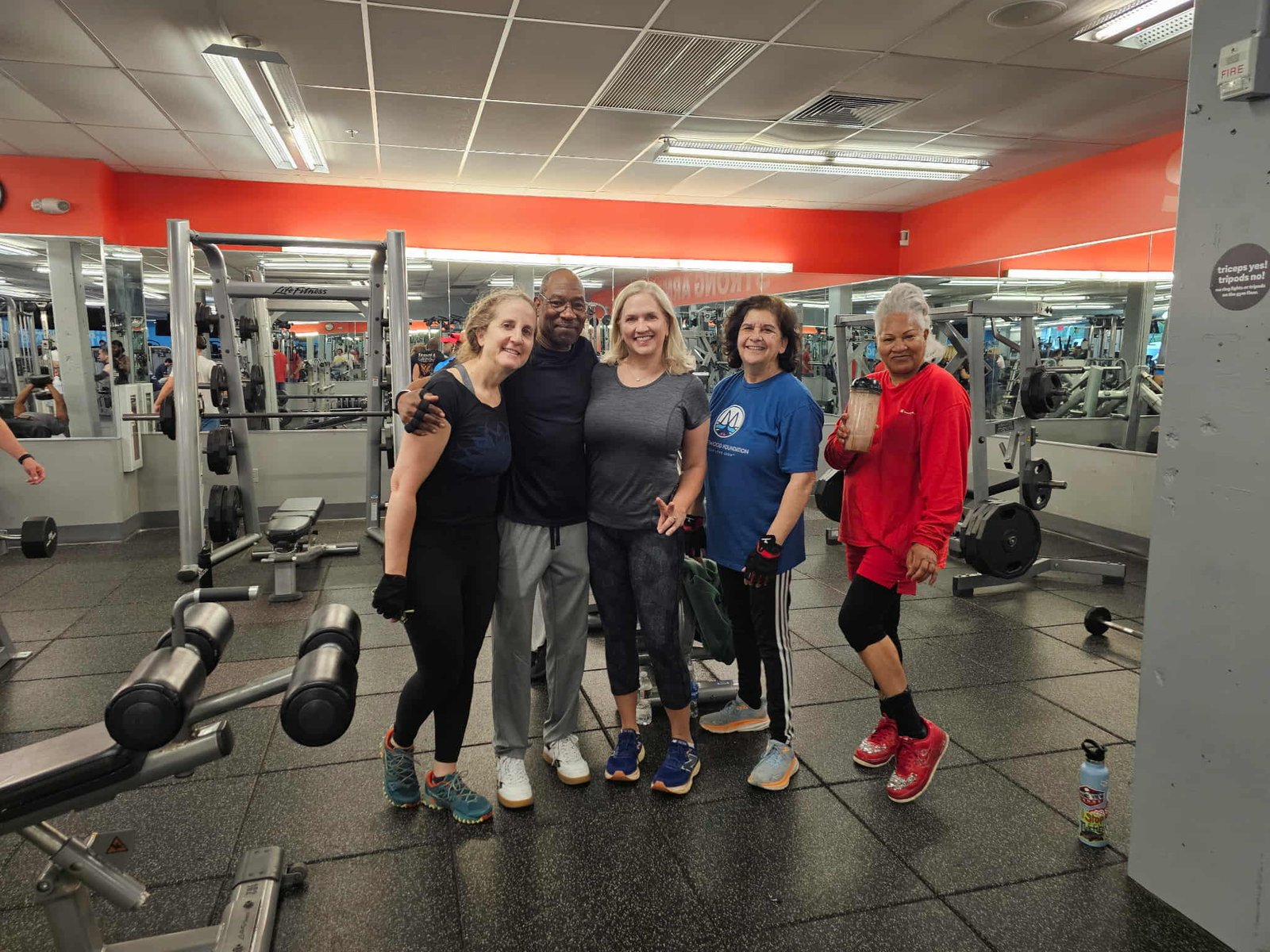
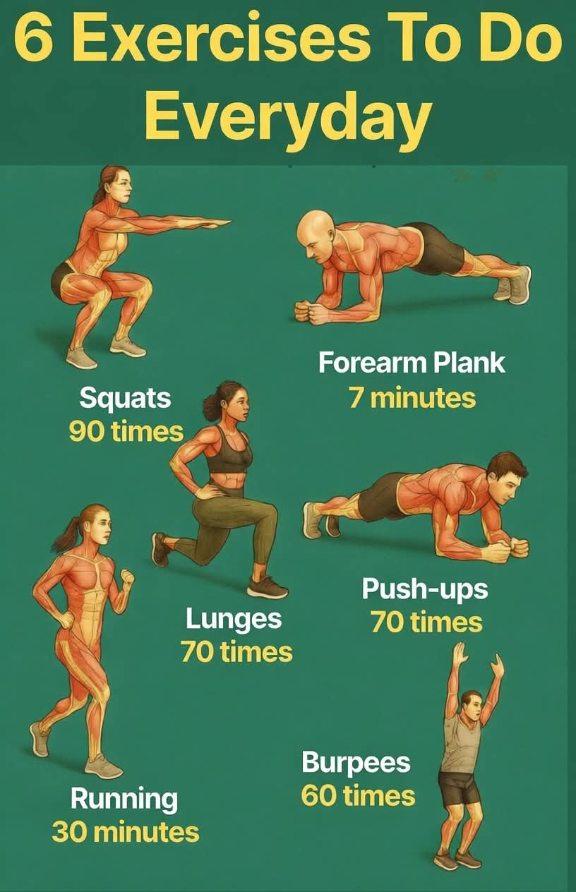
Safe and effective lifting for older adults focuses on form, control, and progressive overload, not maximum weight. Before attempting any lift, a proper warm-up consisting of dynamic stretching (like arm circles and leg swings) is essential to increase blood flow and joint mobility. The core principle is to maintain a neutral spine and engage the core muscles throughout the entire movement. For lifts like squats or deadlifts, the movement should be slow and controlled, emphasizing the eccentric (lowering) phase, which is crucial for building strength and preventing injury. Joints should never be “locked out” at the end of a repetition; instead, maintain a slight bend to keep tension on the muscle and protect the joint structure. Start with bodyweight exercises or very light resistance bands before introducing dumbbells or machines, and always prioritize full range of motion over lifting heavy.
Managing Weight Gain (Body Composition)
For older adults, weight gain often involves an undesirable increase in visceral fat (fat around organs) and a loss of muscle mass (sarcopenia), leading to a decline in metabolic rate. Managing this involves a two-pronged approach: resistance training and a caloric deficit achieved through dietary adjustments. Resistance training is paramount as it stimulates muscle protein synthesis, directly counteracting sarcopenia and increasing basal metabolic rate (BMR). Dietary strategies should focus on consuming nutrient-dense foods—high in fiber and water—while limiting refined carbohydrates and sugary beverages. Portion control and regular, structured mealtimes help manage appetite and prevent excessive caloric intake. Tracking macronutrient intake, particularly ensuring adequate protein, is key to preserving lean muscle mass while body fat is reduced.
Managing Weight Loss (Maintaining Strength)
Unintentional or rapid weight loss in older adults can be a major health concern, often indicating underlying illness or nutritional deficiency, and frequently involves the loss of valuable muscle mass. The goal of healthy weight management for an elder adult who is underweight or seeking to maintain stability is to achieve a positive energy balance (caloric surplus) that supports muscle gain and fat stabilization, not just fat gain. This requires consuming calorie-dense, nutrient-rich foods, focusing on healthy fats (avocado, nuts) and high-quality protein sources. Frequent, smaller meals can be more manageable and ensure consistent nutrient delivery. Furthermore, incorporating low-impact, muscle-building resistance exercises is critical. The added caloric intake must be paired with muscle stimulus to ensure the body utilizes the energy for anabolism (building muscle) rather than simply storing it as fat.
Optimizing Breathing Techniques
Effective breathing is fundamental to both daily function and exercise performance. The correct technique is diaphragmatic breathing (or “belly breathing”), which maximizes oxygen intake and minimizes the use of accessory neck and chest muscles, reducing stress and improving core stability. During any lifting or exertion, the general rule is to exhale through the mouth during the most challenging part of the lift (concentric phase) and inhale deeply through the nose during the easier part of the lift (eccentric/recovery phase). For instance, when standing up from a squat, exhale; when lowering down, inhale. Crucially, older adults should avoid the Valsalva maneuver (holding the breath and bearing down) as this can drastically increase blood pressure, posing risks for those with cardiovascular conditions.
Essential Vitamins and Minerals
While a balanced diet is the primary source of nutrients, older adults often face challenges with absorption and specific nutrient requirements. Key vitamins and minerals requiring attention include:
- Vitamin D: Critical for calcium absorption, bone health, and immune function. Low levels are common due to reduced sun exposure and decreased skin synthesis.
- Vitamin $\text{B}_{12}$: Essential for nerve function and red blood cell formation. Absorption efficiency often declines with age due to decreased stomach acid production.
- Calcium: Vital for bone density and mitigating osteoporosis risk.
- Magnesium: Involved in over 300 enzymatic reactions, including muscle and nerve function, blood glucose control, and energy production.
Supplementation may be necessary, but it should always be discussed with a healthcare provider to determine the appropriate dosage and avoid potential interactions or toxicity.
The Role of Protein in Aging
Protein is the single most important macronutrient for counteracting sarcopenia. The recommended dietary allowance (RDA) for protein may be insufficient for older adults seeking to maintain or build muscle mass. The current recommendation for muscle preservation in healthy elders often ranges between $\text{1.0}$ and $\text{1.2}$ grams of protein per kilogram of body weight per day ($\text{g/kg/day}$). For anabolism, protein should be distributed evenly across all major meals ($\text{25-40}$ grams per meal) to continuously stimulate muscle protein synthesis (MPS). High-quality protein sources, such as lean meats, poultry, fish, eggs, dairy (whey/casein), and legumes, which contain a full profile of essential amino acids (especially leucine), are most effective in promoting and sustaining muscle growth.
Expanded Fitness and Health Guide for Older Adults
Optimizing Cardiovascular and Endurance Training
Cardiovascular, or aerobic, exercise is crucial for maintaining heart health, lung capacity, and reducing the risk of chronic diseases like diabetes and stroke. For older adults, the focus should be on moderate-intensity, low-impact activities to protect the joints. Examples include brisk walking, swimming, water aerobics (where water buoyancy supports the body), stationary cycling, or using an elliptical machine. Aim for at least 150 minutes of moderate-intensity activity per week, which can be broken down into small, manageable sessions (e.g., three 10-minute walks per day). The intensity should be such that one can talk, but not sing. Consistent, daily movement—even light activity like housework—is better than prolonged periods of sitting.
Enhancing Balance and Fall Prevention
Balance training is arguably the most critical component for maintaining independence and preventing falls, which are a major cause of disability in the elderly. These exercises strengthen the muscles that keep you upright and improve coordination. Start by holding onto a sturdy surface (like a counter or the back of a chair) and progress safely.
- Examples:
- Heel-to-Toe Walking (Tandem Stance): Placing the heel of the front foot directly in front of the toes of the back foot.
- Single-Leg Stands: Standing on one leg for 10-30 seconds, progressing to doing this without support or with eyes closed (only if supervised and safe).
- Tai Chi: This traditional Chinese practice combines gentle, flowing movements with deep breathing and concentration, making it highly effective for improving balance and body awareness.
Developing Flexibility and Range of Motion
Flexibility and stretching exercises are vital for maintaining the full range of motion (ROM) in joints, reducing stiffness, alleviating chronic pain (especially in the lower back), and making daily activities easier (e.g., reaching, bending, dressing). Flexibility should be addressed after a warm-up or exercise when muscles are warm, and movements should be slow and deliberate, stretching to the point of mild tension, never pain.
- Recommended Practices:
- Static Stretching: Holding a stretch for 15-30 seconds (e.g., seated spinal twists, hamstring stretches).
- Joint Mobility Drills: Gentle movements like ankle rotations, shoulder circles, and slow neck tilts.
- Yoga or Chair Yoga: These practices incorporate deep breathing and postures that gently improve flexibility while enhancing core stability.
The Cognitive and Mental Health Benefits of Fitness
Physical activity is not just for the body; it is a powerful tool for brain health and cognitive function. Regular exercise, particularly aerobic activity, increases blood flow and oxygen to the brain, which supports the growth of new cells and enhances communication between neurons. This helps to:
- Slow Cognitive Decline: Physical activity is associated with a reduced risk of dementia and Alzheimer’s disease.
- Improve Memory and Focus: Exercises that require coordination, such as dancing, Tai Chi, or learning new movement patterns, are particularly beneficial as they engage executive functions.
- Elevate Mood: Exercise releases endorphins, acting as a natural antidepressant and stress reducer, which is essential for managing anxiety and depression in later life.
Hydration and Sleep Health
Beyond nutrition and exercise, two pillars of health often overlooked in the elderly are hydration and sleep:
- Hydration Management: The sensation of thirst diminishes with age, increasing the risk of dehydration, which can lead to fatigue, confusion, and dizziness (and thus, falls). Older adults should proactively drink water throughout the day, aiming for small, frequent amounts. Fluid intake should also include water-rich foods and beverages like herbal tea or soup.
- Prioritizing Sleep: Quality sleep is critical for physical recovery, memory consolidation, and regulating mood and hormones. A regular sleep schedule, a cool and dark bedroom, and avoiding caffeine or large meals close to bedtime can all improve sleep quality. Exercise earlier in the day can also contribute to better nighttime rest.